
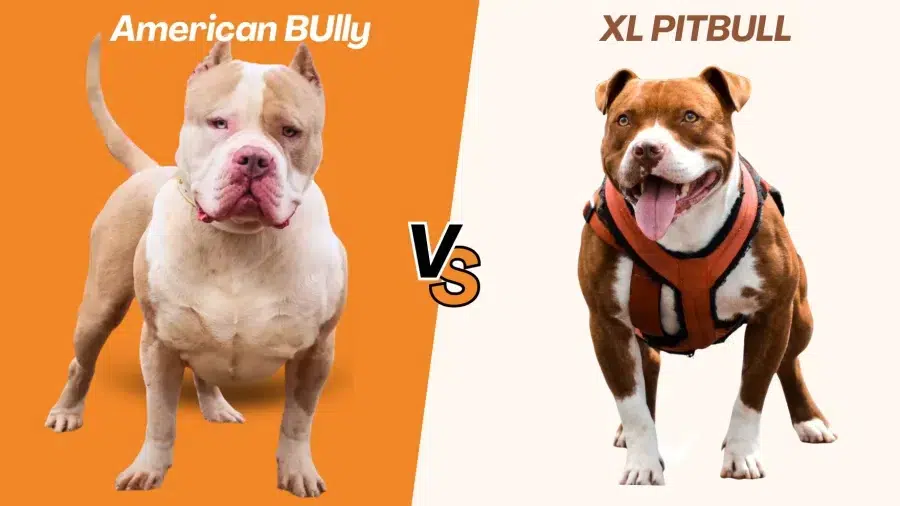
Quick Answer: The American Bully and XL Pitbull are not the same dog. American Bullies are companion-focused dogs bred for structure, confidence, and stable temperament. XL Pitbulls, on the other hand, retain working-line traits with higher drive and exercise needs. Understanding the differences between the American Bully vs XL Pitbull before buying prevents frustration for both the owner and the dog.
Why This American Bully vs XL Pitbull Comparison Matters in 2026
Social media has blurred important distinctions between these dogs. At ManMade Kennels, we regularly hear from families who realize their purchase doesn’t match their lifestyle—not because the dog is bad, but because they made decisions based on viral videos rather than real information.
Purpose Comes Before Appearance
The most important difference isn’t size or muscle, it’s intent
American Bullies emphasize companionship and approachability while maintaining impressive physical presence. The goal was never extreme drive, but rather dogs that live comfortably in family environments without excessive reactivity.
“XL Pitbull” is less precise,often describing larger Pitbull-type dogs carrying strong working instincts. These dogs are athletic and capable but require more structure, training, and daily engagement to remain balanced.
Temperament: Where Expectations Break Down
A well-bred American Bully is typically calm, confident, and socially comfortable with people. They settle well in homes and respond to consistent but moderate training. Their emotional stability makes them popular with families.
XL Pitbulls display a more intense temperament. Not aggressive by default, but higher energy with stronger instincts. Without proper outlets, that intensity becomes challenging for owners expecting a relaxed companion.
Neither temperament is “better.” Problems arise when the dog’s tendencies mismatch the owner’s lifestyle.
What Breeders Actually Won’t Tell You
The Uncomfortable Truths
The American Bully breeding world has a quality control problem. Explosive popularity brought countless backyard breeders, many producing dogs with structural faults, health issues, or unstable temperaments. That impressive photo may show one quality puppy from a litter of ten, with the rest sold at the same premium price.
“XL Pitbull” is often marketing with no standard. Some breeders use it for oversized American Pit Bull Terriers, others for Bully crosses, some for any large bully-breed mix. No registry definition, no breed standard, no consistency.
The 8-week puppy won’t be the 2-year-old dog. Temperament changes as dogs mature, especially in bully breeds. Calm puppies can develop dog selectivity. High-energy puppies may or may not settle. Responsible breeders acknowledge this. Others tell you what you want to hear.
Social media dogs aren’t representative. That perfectly behaved Bully with toddlers has hours of invisible training. That athletic XL Pitbull may be one of a hundred dogs bred before that performance emerged. Comparing your pet to professionally trained, genetically exceptional dogs guarantees disappointment.
Red Flags When Shopping for a puppy
Breeders who guarantee specific adult size are inexperienced or dishonest. Growth depends on genetics, nutrition, and individual variation.
Puppies constantly available with no wait list suggest overproduction. Responsible breeders have buyers lined up before breeding.
Discouraging vet visits before purchase or insisting you use their vet controls information flow about health issues.
Defensive reactions to questions about health testing, temperament issues in previous litters, or buyer references signal problems.
Questions Most Buyers Don’t Ask (But Should)
Don’t ask if parents are friendly—ask if there have been aggression incidents in either parent or previous litters and how they were handled.
Ask how many litters annually. High-volume operations rarely focus on quality.
Ask what happens if you can’t keep the dog later. Responsible breeders require returns rather than independent rehoming.
Ask about post-sale support. Does the relationship end when payment clears?
Health: More Than Appearance
Regardless of type, demand documentation for health screenings. Minimum: hip and elbow evaluations (OFA or PennHIP), cardiac screening, eye clearances (CERF), and genetic testing. Visual appearance tells you nothing about hip dysplasia or cardiac abnormalities.
American Bullies from responsible breeders typically live 10-12 years. Extreme structural examples struggle to reach 8. XL Pitbulls from sound bloodlines often reach 12-14 years when properly maintained.
Legal and Insurance Realities
Many insurance companies refuse coverage or charge higher premiums for bully breeds. Some don’t distinguish between American Bullies, Pitbulls, or similar-looking dogs. Verify your insurance before bringing a dog home.
Breed-specific legislation exists in hundreds of U.S. jurisdictions. Some cities ban ownership, others require permits or mandatory spay/neuter. Landlords frequently restrict bully breeds. If you rent or plan to move, this matters.
Housing discrimination based on dog breed is legal in most places. HOA restrictions may prohibit certain breeds even if you own your home.
The Real Cost of Ownership
Purchase prices range from hundreds to $10,000+, but that’s a fraction of lifetime cost.
Monthly food: $100-$200 for quality brands Annual routine vet care: $500-$1,000 Training: Group classes start at $150 per session; private training runs $100-$200 per session Emergency costs: Surgeries for structural issues can hit $3,000-$10,000
American Bullies with structural problems may need intervention for breathing difficulties or joint issues. XL Pitbulls with high drive may need ongoing professional training throughout their lives.
Which Dog Fits Your Life?
Time and Experience
If you work 10-hour days and come home exhausted, an XL Pitbull isn’t realistic regardless of intentions. Be honest about daily time for training, exercise, and engagement.
First-time owners can succeed with American Bullies with proper support. XL Pitbulls suit owners with experience managing high-drive dogs. This isn’t about intelligence—it’s pattern recognition and handling confidence.
Activity Level Match
Enjoy hiking and running? An XL Pitbull fits that lifestyle. Weekend activities are errands and home relaxation? An American Bully matches that energy better.
Specific Scenarios
Apartment, no yard: American Bully more manageable Other dogs present: American Bullies often more socially flexible Want a running partner: XL Pitbull better for sustained activity Families with young children: American Bullies typically more tolerant of chaos Frequent travel: American Bullies adapt better to boarding.
Training and Socialization Essentials
The first 16 weeks are critical for both types. Under-socialization leads to fearfulness or reactivity that’s difficult to address later.
American Bully training focuses on basic obedience, impulse control, and maintaining natural social confidence. Sessions can be relatively short.
XL Pitbull training is more involved. These dogs need clear structure and regular mental challenges. Basic obedience is just the starting point—many benefit from ongoing activities like scent work or agility throughout their lives.
Adolescence (6-18 months) is when challenges emerge. American Bullies may become selective about dog interactions. XL Pitbulls often show increased drive and intensity. Training consistency becomes critical during this phase.
When to Seek Help
Don’t wait for severe problems. Signs of aggression toward people or animals, intense fearfulness, or destructive behavior that isn’t improving warrant professional help early. Small issues are easier to address than entrenched patterns.
Common Misconceptions
The UK XL Bully ban has no direct legal impact in the United States, though it influences public perception and insurance policies.
Muscle mass doesn’t determine temperament. Structure affects physical capability, but temperament comes from genetics, socialization, and training.
These dogs don’t naturally protect without training. Some individuals may show protective instincts, but this isn’t universal or reliable.
American Bullies still need exercise. While less intense than XL Pitbulls, they need daily activity and mental stimulation to maintain health and avoid behavioral issues.
Real Outcomes
Success: An active couple with prior experience brought home an XL Pitbull, enrolled in training immediately, and dedicated time to daily structured exercise. The dog matured into a well-adjusted companion for hikes and activities. This worked because owners matched the dog’s needs.
Failure: A first-time owner bought an “XL Pitbull” online after seeing photos. No health documentation, limited socialization. As the dog matured, high drive became overwhelming. Expecting a relaxed companion, the owner struggled with destructive behavior from inadequate outlets. The dog was eventually rehomed.
These patterns repeat when buyers prioritize wrong factors or work with profit-focused breeders.
Your Next Steps
Verify housing situation. Confirm with landlords, HOA, and insurance that your chosen dog is allowed. These conversations prevent devastating outcomes.
Research breeders thoroughly. Identify those conducting health testing, focusing on temperament, and supporting buyers long-term. Ask the difficult questions in this guide.
Assess readiness honestly. Can you commit to daily training and exercise for 10-14 years? Handle not just routine costs but unexpected expenses? Is your household prepared for the work required?
Connect with current owners. Find people owning the type you’re considering. Ask about real experiences. The marketing view rarely matches daily reality.
If you have doubts about meeting a dog’s needs, that’s valuable information. Choose a dog fitting your actual life, not your aspirational one. The goal isn’t the most impressive dog—it’s a sustainable, positive relationship benefiting both of you for their entire life.
Final Thoughts
The American Bully and XL Pitbull serve different roles. Choosing between them should never come down to looks alone. The right choice depends on lifestyle, experience, and long-term commitment.
When breeders and buyers have honest conversations, both the dog and the owner benefit.

I am a highly skilled content writer and SEO expert with a passion for helping small businesses succeed in the digital world. With my extensive knowledge of the latest SEO techniques and strategies, I have successfully assisted numerous clients in improving their website rankings, generating more leads, and driving a significant increase in website traffic.
As a professional content writer and SEO expert, I am confident in my ability to contribute significantly to the success of small businesses. If you are seeking a results-driven, highly skilled digital marketer who can help you increase your ranking, convert new leads, and see a substantial improvement in website traffic, I would welcome the opportunity to collaborate with you.
Website: https://manmadewebsites.com/
Email: hello@digitalmarketingchap.com